Photographing Autumn in the Mountains
Work with seasonal colour, changing light, and mountain landscapes.
Autumn forests change colour in stages, often starting at higher elevations. A successful outing depends as much on timing as on light: check the forecast, foliage progress, and local access before setting out.
Choose the right moment
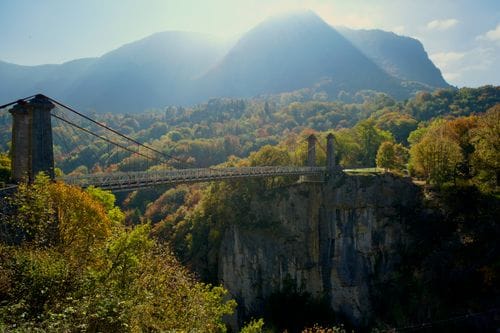
Peak colour does not arrive everywhere at once: it usually appears at higher elevations first, then moves down into the valleys. Look up the local tree species and conditions; wind and rain can bring leaves down quickly.
Make the most of soft light
Overcast skies reveal subtle foliage tones and reduce harsh shadows. In sunshine, aim for early or late in the day: low light adds shape to trunks and slopes. When shooting into the light, watch the highlights on the leaves.
Keep colours natural
A polarising filter can deepen colour and reduce some reflections, but use it gently to avoid an unevenly dark sky. Shoot RAW and keep white balance consistent so warm tones stay believable rather than exaggerated.
Build a clear composition
Use a branch or carpet of leaves as a foreground, then look for a leading line through the forest. A dark trunk can frame a bright mountain; a single detail, such as a leaf or reflection, can also tell the seasonal story without clutter.
Adjust settings and gear
For a sharp landscape, start around f/8 to f/11 and watch shutter speed when leaves are moving. Raise ISO if needed rather than letting wind blur the scene. A standard zoom, lightweight tripod, and rain cover suit most outings.
Before you go
- Check the forecast, trail conditions, and local restrictions.
- Pack a warm layer, rain protection, and a spare battery.
- Stay on paths and avoid trampling fragile areas for a composition.
Autumn rewards photographers who take time to observe. Return to the same place at different times, simplify the frame, and let the light guide your choices.