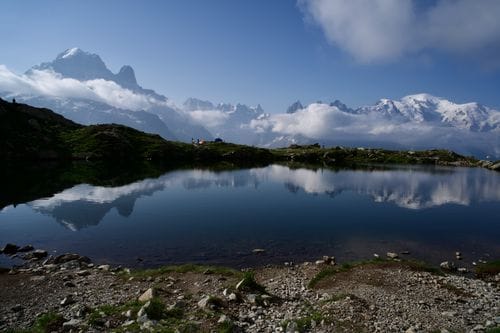
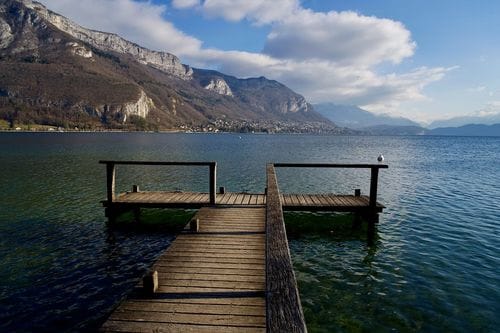
Light & Lighting
Understand the quality, direction, color, and evolution of light to give volume, mood, and emotion to your images.
✨ Why Light Comes First
Before composition or gear, reading the light determines what you can tell. It separates planes, ranks elements, and sets the mood. Knowing how to analyze its behavior is worth more than a new camera.
- Structures volume (shadow/modeling).
- Directs the eye via relative contrasts.
- Colors emotion (temperature/mix of sources).
- Sets your usable exposure latitude.
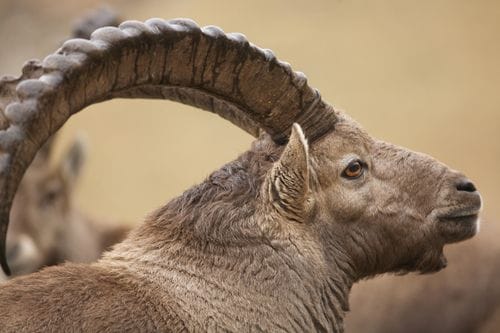
Light defines structure, hierarchy, and mood before any other parameter.
4 aspects to systematically observe
Intensity
Overall light amplitude; influences global contrast.
Direction
Frontal flattens; side models; raking reveals texture; backlight silhouettes.
Quality
Hard = sharp shadows; soft = smooth transitions and preserved details.
Color
Dominant temperature & mixes (LED, tungsten, neon, low sun).

Observing all 4 dimensions together reveals narrative opportunities.
Interesting natural windows
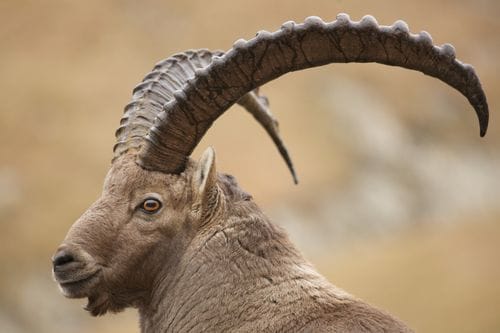
Golden hour
Low sun → warm raking light, long shadows, soft micro-contrasts.
- Natural saturation without excess.
- Relief accentuated by tangential lighting.

Blue hour
Subtle balance between the fading sky and artificial lights turning on.
- Soft contrast, ideal for light trails.
- Harmonious warm/cool mix.
Overcast / fog
Clouds = giant diffuser. Compressed contrast, subtle textures, even tones.
- Perfect for soft portraits / macro.
- Prevents blown highlights.
Sculpting with shadows
Consider shadow as a design tool: it shapes forms, creates rhythm, and invites the eye to complete what is suggested. Seek the balance between information and mystery.
- Soft side: subtle modeling for faces/products.
- Controlled backlight: halo + readable silhouette.
- Urban noon: exploitable hard graphics.
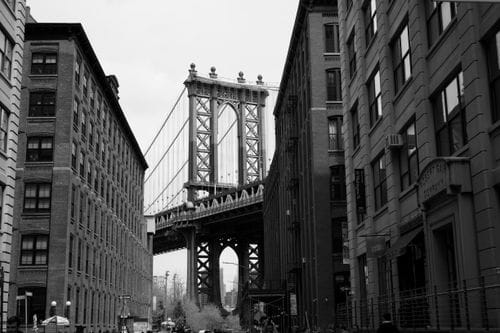
Shadow hides, reveals, and sculpts—decide what to leave in mystery.
Temperature & chromatic intent
Neutrality is not always the goal. White balance becomes a narrative slider: adjusting it influences emotional perception without touching composition.
Creative
Cooling a snowy landscape enhances the icy feel.
Mix of sources
Decide to harmonize or contrast cool LED and tungsten.
RAW & latitude
Expose cleanly, set the exact tone in post.
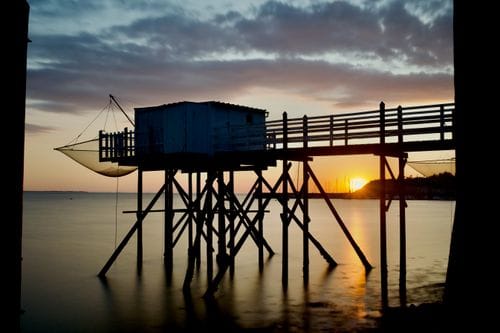
White balance rewrites the emotional palette without changing the scene.
Artificial light & night scenes
City and interiors mix sources with varied spectra: exploit this gap rather than neutralizing everything.
- Light trails: slow shutter + tripod.
- Wet pavement reflections after rain = extended palette.
- RGB histogram: monitor red/blue channel saturation.
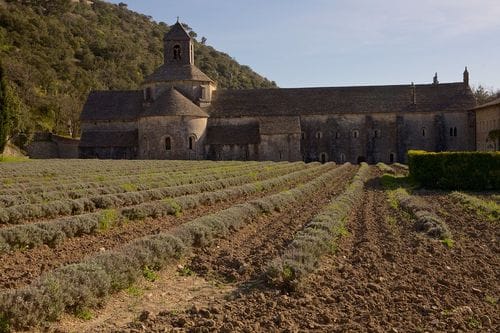
Practical field management
Histogram
Control clipping; protect structured highlights.
Reasoned ETTR
Push slightly without crushing sky/sources.
Bracketing
3–5 shots for very high-contrast scenes (backlight).
Filters
ND for long exposure, GND to balance sky/ground.
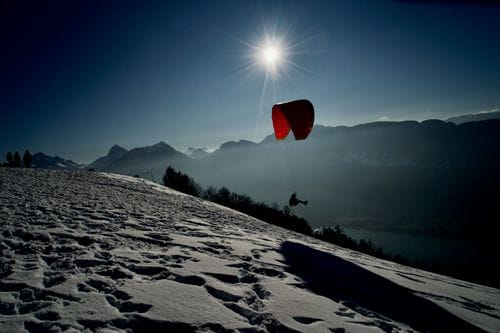
Exposure & stability assurance routine before shooting.
Quick checklist
- Observe 20–30s before shooting: likely evolution?
- Identify the plane to preserve (highlights or shadows).
- Choose exposure point (spot/weighted) aligned with key subject.
- White balance: neutral or deliberate choice?
- Stability: shutter ≥ 1/focal length or support.
- Check edges + histogram, adjust if needed.

Exposure & stability routine before shooting.
In summary
Reading light is about anticipating: source nature, direction, imminent evolution. Decide what you leave in shadow, don’t try to brighten everything. Light coherence gives credibility and emotion—and often makes editing easier.

Mastering light reading transforms every scene into a narrative opportunity.