The Exposure Triangle
The three pillars of photography: Aperture, Shutter Speed, ISO
📷 The Exposure Triangle: Understanding the Basics
In photography, exposure depends on three fundamental parameters: aperture, shutter speed, and ISO sensitivity. These three settings work together to determine how much light reaches the sensor and the final look of your image.
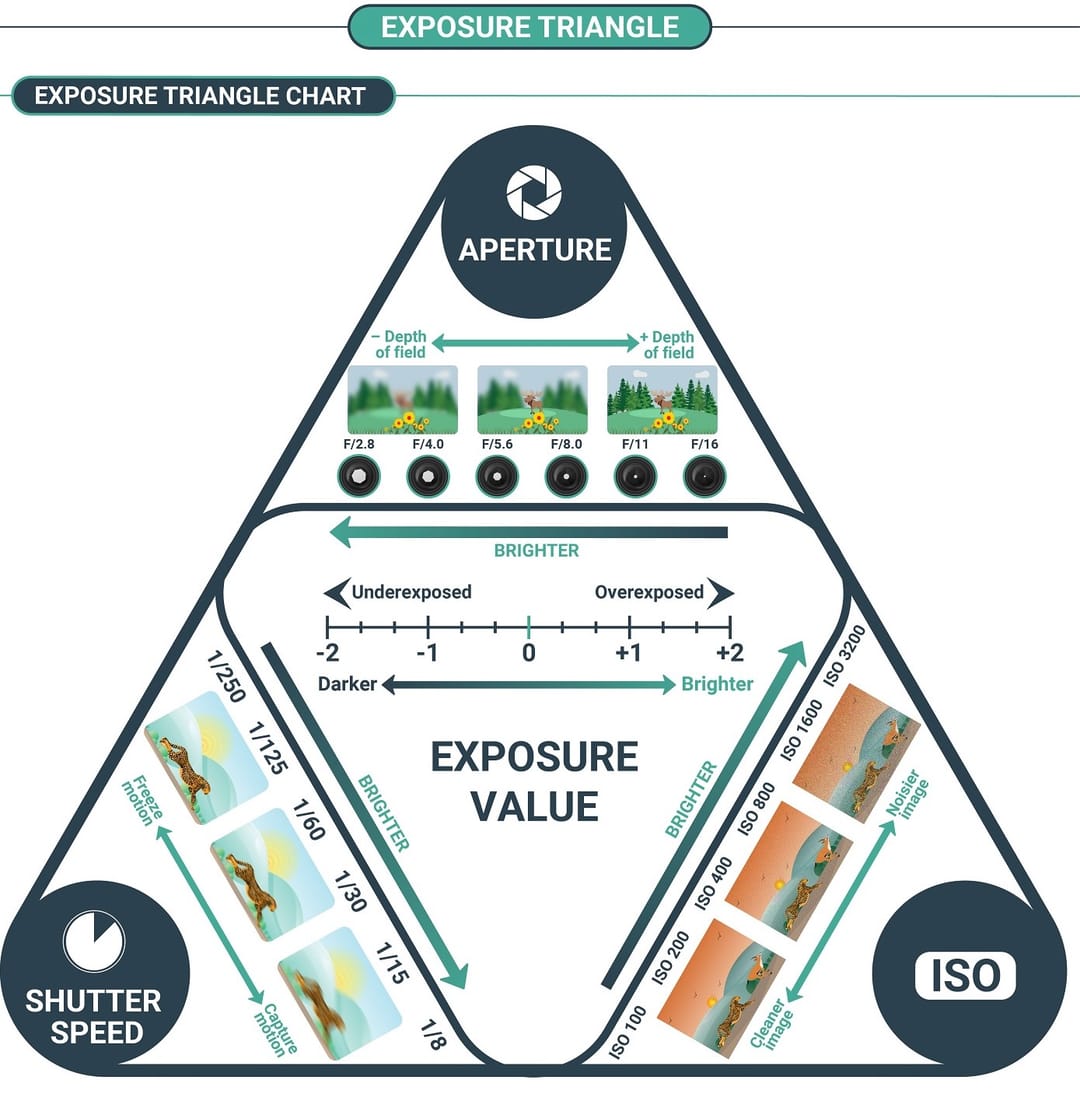
This refers to the size of the lens diaphragm. A wide aperture (small f-number, e.g., f/2.8) lets in a lot of light and creates a blurred background, ideal for portraits. A narrow aperture (large f-number, e.g., f/16) lets in less light but keeps both foreground and background sharp, perfect for landscapes.
This is the amount of time the sensor is exposed to light. A fast shutter speed (e.g., 1/1000s) freezes motion, useful for sports or fast subjects. A slow shutter speed (e.g., 1s) captures movement, like flowing water or light trails, but often requires a tripod to avoid blur.
This is the sensor's sensitivity to light. A low value (ISO 100) gives a clean image with no noise but requires more light. A high value (ISO 3200 or more) allows shooting in low light at the cost of some grain (digital noise).
🔄 How do these settings interact?
The exposure triangle works like a scale: if one parameter adds more light, another must remove exactly as much to keep the same exposure. Every time you double the light on one side — by opening the aperture, slowing the shutter, or raising the ISO — you must halve it somewhere else to compensate.
Changing aperture → compensate with shutter or ISO
For aperture, doubling the light does not mean halving the f-number — you divide it by √2 (≈ 1.41), because light depends on the area of the opening, not its diameter. The standard sequence is: f/1.4 → f/2 → f/2.8 → f/4 → f/5.6 → f/8 → f/11 → f/16. Each step left doubles the light; each step right halves it. Going from f/5.6 to f/2.8 gains two stops — that is ×4 in light. To compensate without overexposing: speed up the shutter by the same margin (e.g. 1/60s → 1/250s), or halve the ISO (e.g. ISO 400 → ISO 100) — or split between both.
Changing shutter speed → compensate with aperture or ISO
For shutter speed, doubling the light is straightforward: just double the exposure time. The standard sequence is: 1/1000s → 1/500s → 1/250s → 1/125s → 1/60s → 1/30s → 1/15s. Each step right doubles the captured light; each step left halves it. To compensate that gain: close the aperture by the same margin (e.g. f/2.8 → f/5.6), or halve the ISO (e.g. ISO 800 → ISO 400). Conversely, speeding up the shutter to freeze motion reduces light — reopen the aperture or raise the ISO by the same amount.
Changing ISO → compensate with aperture or shutter
For ISO, the principle is the most intuitive of the three: doubling the value exactly doubles sensor sensitivity. The sequence is: ISO 100 → 200 → 400 → 800 → 1600 → 3200. Each doubling equals one additional stop of perceived light. To compensate that gain, close the aperture one stop (e.g. f/2.8 → f/4) or speed up the shutter by half (e.g. 1/60s → 1/125s). Unlike the other two parameters, raising ISO has a cost: the more the signal is amplified, the more digital noise (grain) appears. It is therefore the last lever to use, once aperture and shutter have been pushed to their limits.
Example: In a dimly lit room, you might choose a wide aperture (f/2.8), raise the ISO (800 or more), and set the shutter speed to 1/60s to get a sharp, well-exposed image.
🎛️ Exposure Simulator
✨ Creative Effects and Practical Tips
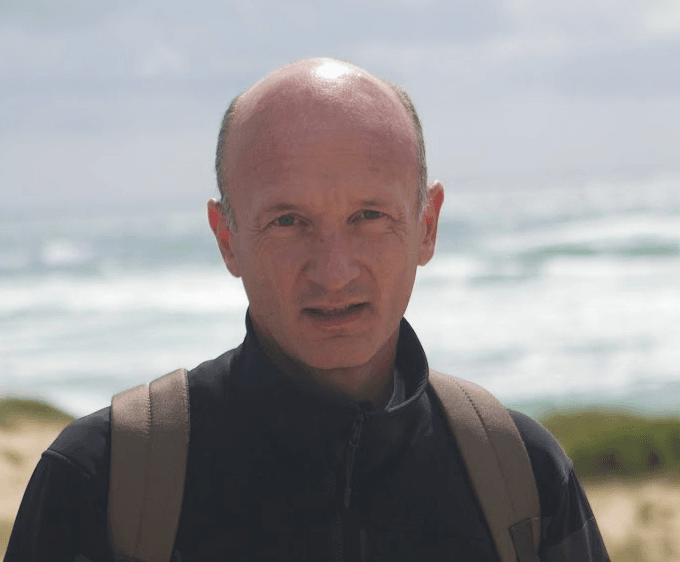
Bokeh: Use a wide aperture to isolate your subject and achieve a soft, blurred background.
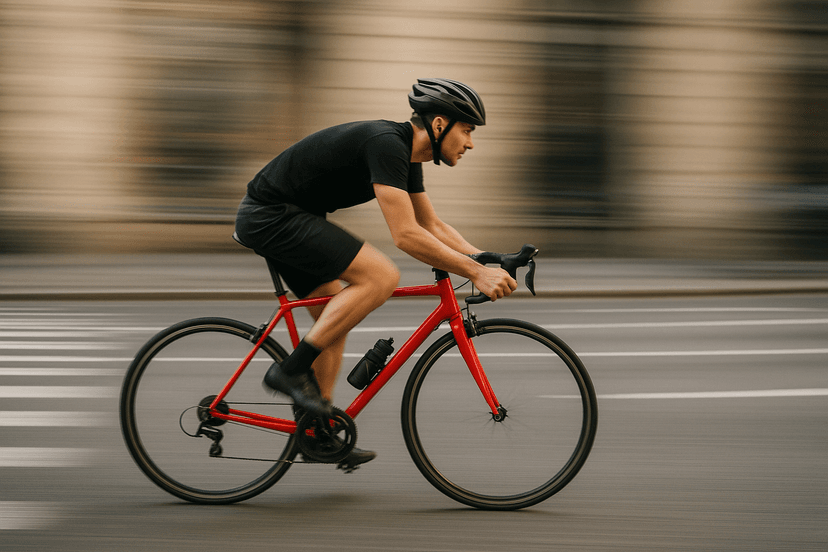
Motion Blur: Choose a slow shutter speed and pan with your subject to create a sense of movement.
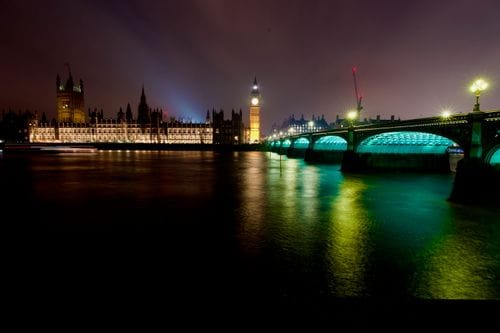
Night Photography: Increase ISO and use a tripod to avoid blur from slow shutter speeds.
Tip: Keep ISO as low as possible to reduce noise, and don't hesitate to use a tripod for long exposures.
✅ In Summary
Mastering the exposure triangle means knowing how to balance aperture, shutter speed, and ISO according to the scene and desired effect. The more you practice, the more natural these settings will become, allowing you to unleash your creativity.