Advanced Techniques
Hyperfocal distance, bracketing, focus stacking, filters: tools to push technical precision and creative control further.
Hyperfocal Distance
Hyperfocal distance is the minimum focus distance from which depth of field extends to infinity. By focusing at this threshold (or slightly beyond), everything between approximately half this distance and the horizon appears sufficiently sharp in normal viewing or standard printing.

Why it's useful
- Simultaneously ensure sharpness of foreground and distant elements.
- Streamline shooting without refocusing between each image.
- Homogenize a series: consistent sharpness rendering.
Modern limitations
- Current AF very reliable → reduced interest except for anticipation.
- With long focal lengths H becomes enormous (tele + f/8).
- Very close subject will remain blurry if outside zone.
It depends on focal length, aperture and circle of confusion. Calculators assume average detail level. For highly defined sensors or large prints, reduce circle of confusion for stricter estimation.
Practical reference
Focus slightly beyond key close subject rather than infinity.
Mental rule
Sharp zone ≈ from (H/2) to ∞ (H = hyperfocal distance).
Telephoto lenses
H too far, favor precise focus on subject.
Use an app, choose focal length / aperture, note H then position manual focus approximately. Avoid stopping down too much (diffraction). f/8–f/11 covers most full-frame wide-angle landscapes.
Quick summary
1) Choose aperture balancing depth/diffraction. 2) Estimate H. 3) Focus toward H. 4) Check foreground. 5) Disable AF for the series.
Exposure Bracketing
Exposure bracketing (HDR merging) and focus stacking (extending depth of field) address two different limits: sensor dynamic range and physical sharp depth.
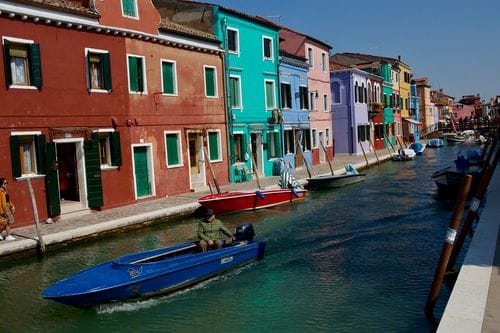
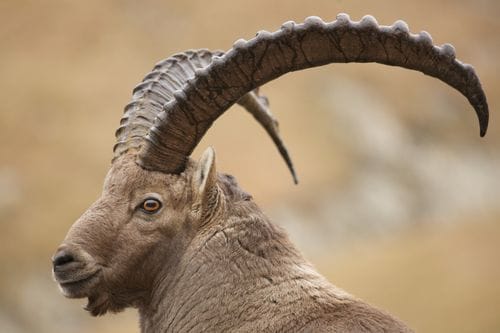
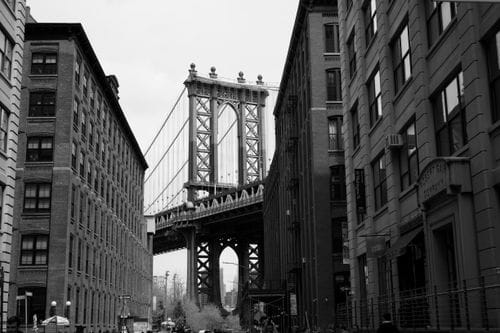
Focus stacking – principle
- Image sequence with focus plane progressing from near to far.
- Merging keeps only the sharp areas from each shot.
- Full sharpness without stopping down to f/22.
When to use it
- Landscape with very close foreground.
- Macro with tiny intrinsic depth.
- Detailed object/product.
Advantages
Maximum overall sharpness; avoids diffraction; freedom for close composition.
Constraints
Scene must be almost still; wind/fast clouds complicate merging.
Pitfalls
Foreground parallax; halos if merging is too aggressive.
Manual: tripod, fixed exposure & WB, focus on near critical then micro-shifts. Check coverage with magnifier.
Automated: enable focus bracketing, set number & step, shoot burst then merge (Photoshop/Helicon/etc.).
Shooting checklist
- Tripod + vibration-free release.
- M mode, constant exposure.
- Single AF then MF.
- Stabilization off on tripod.
- Sufficient overlap of sharp zones.
Merging checklist
- Align before stacking.
- Check masks / missed areas.
- Clean up ghosts / halos.
- Adjust final light contrast.
Parallel exposure bracketing for extreme dynamic range (HDR/blending).
Actionable summary
Near + far impossible in one shot → focus stack at f/8–f/11. Moving scene? Skip. Merging: align, stack, retouch masks.
Optical filters in landscape
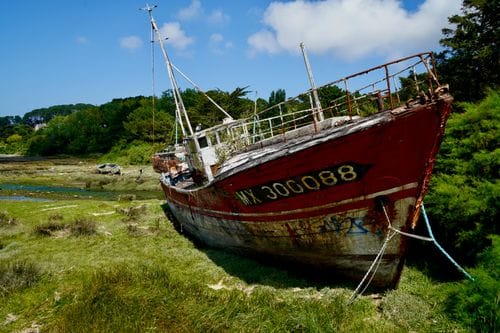
Four families hard to simulate correctly: polarizing, ND, graduated ND, light pollution. They modify light before the sensor to improve dynamic range, reflections and motion rendering.
 CPL
CPL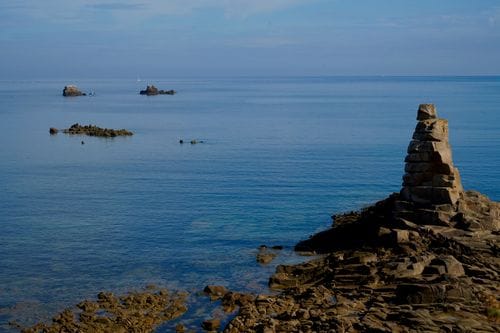 ND
ND GND
GND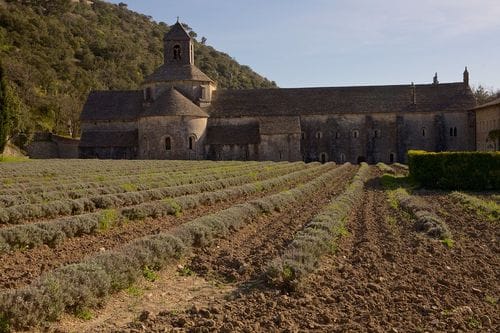 LP
LPPolarizing Filter (CPL)
EssentialReduces specular reflections and enhances saturation. Maximum effect at ~90° from sun.
Uses
- Transparent water (lakes).
- More contrasted skies.
- Saturated foliage.
Setting
Rotate ring, stop before zebra sky on wide-angle.
Exposure impact
Loss ~1.5–2.5 EV depending on rotation.
Limits
Metal already reflects polarized light; no effect facing/back to sun.
ND Filters
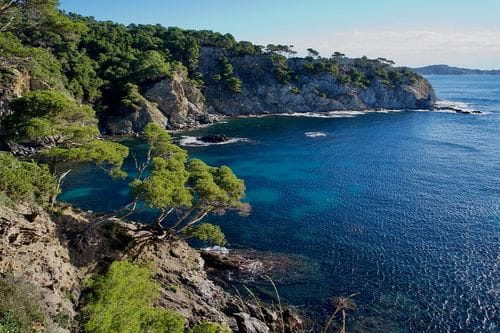
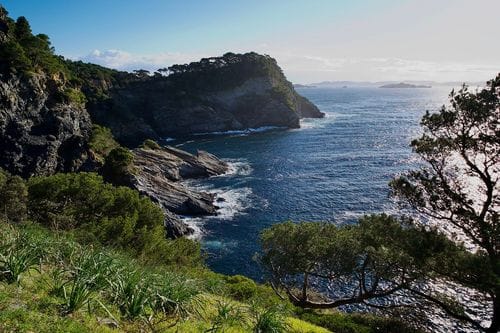
Long exposureUniformly dark neutral glass to extend exposure or keep wide aperture in bright light.
Effects
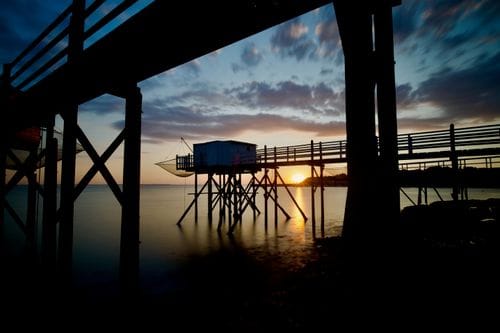
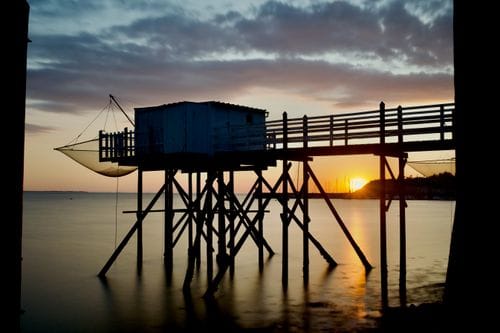
- Silky water.
- Streaked clouds.
- Passers-by removal.
Exposure references
Multiply initial time: ×8 (ND8) ×64 (ND64) ×1000 (ND1000). 1/60s → ~16s.
Workflow
Compose + focus without filter, switch to manual, attach filter, recalculate speed.
Quality
Chromatic neutrality, multi-coated anti-reflective.
Risks
Light leaks long exposures; thermal noise >4 min.
3. Graduated ND Filters (GND)
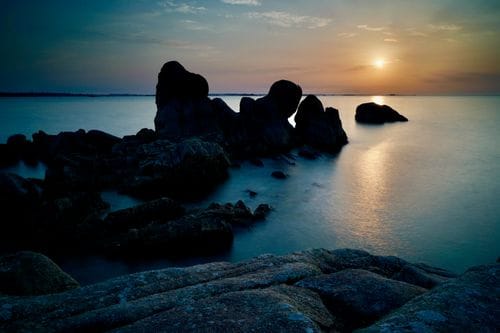
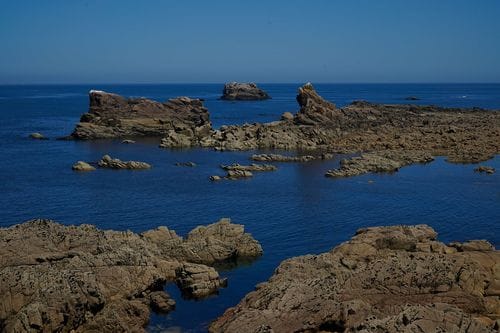
Dynamic rangeDarken the sky to bring exposure closer to ground and preserve highlights.
Types
Soft / hard / reverse transition for sunrise-sunset.
Strength selection
2–3 stops sunsets; 4 extreme snow + sky.
Usage
Sliding plate → align transition on horizon.
Limits
Irregular horizon = halo risk → bracketing alternative.
4. Light Pollution Filter
AstroReduces wavelengths from urban lights for more neutral sky.
Benefits
Reduces orange / greenish halo; Milky Way contrast.
Limits
Doesn't replace a dark sky; possible magenta cast.
Tip
RAW + custom WB; dark frame long exposures.
Formats & Stacking
Circular screw-on
- Fast; compact; plan for step-up rings.
Square plates
- Versatile; require filter holder; bulkier.
Stacking: limit to 2 to reduce flare & vignetting. Clean each surface.
Purchase priorities
1) Multi-coated CPL 2) ND 6 or 10 stops 3) GND soft 3 stops 4) Anti-LP astro peri-urban.
Optical quality
Neutral transmission, anti-reflective, thin ring wide-angle.
To avoid
Low-end kits with color casts; stacking >2; forgetting to recalibrate CPL exposure.
Quick summary
CPL = reflections / saturation. ND = creative time. GND = dynamic range. Anti-LP = urban halo. A coherent mastered set is enough.