CompletedMay 2026
Toronto - Urban Skyline
Toronto, Ontario, Canada
About the project
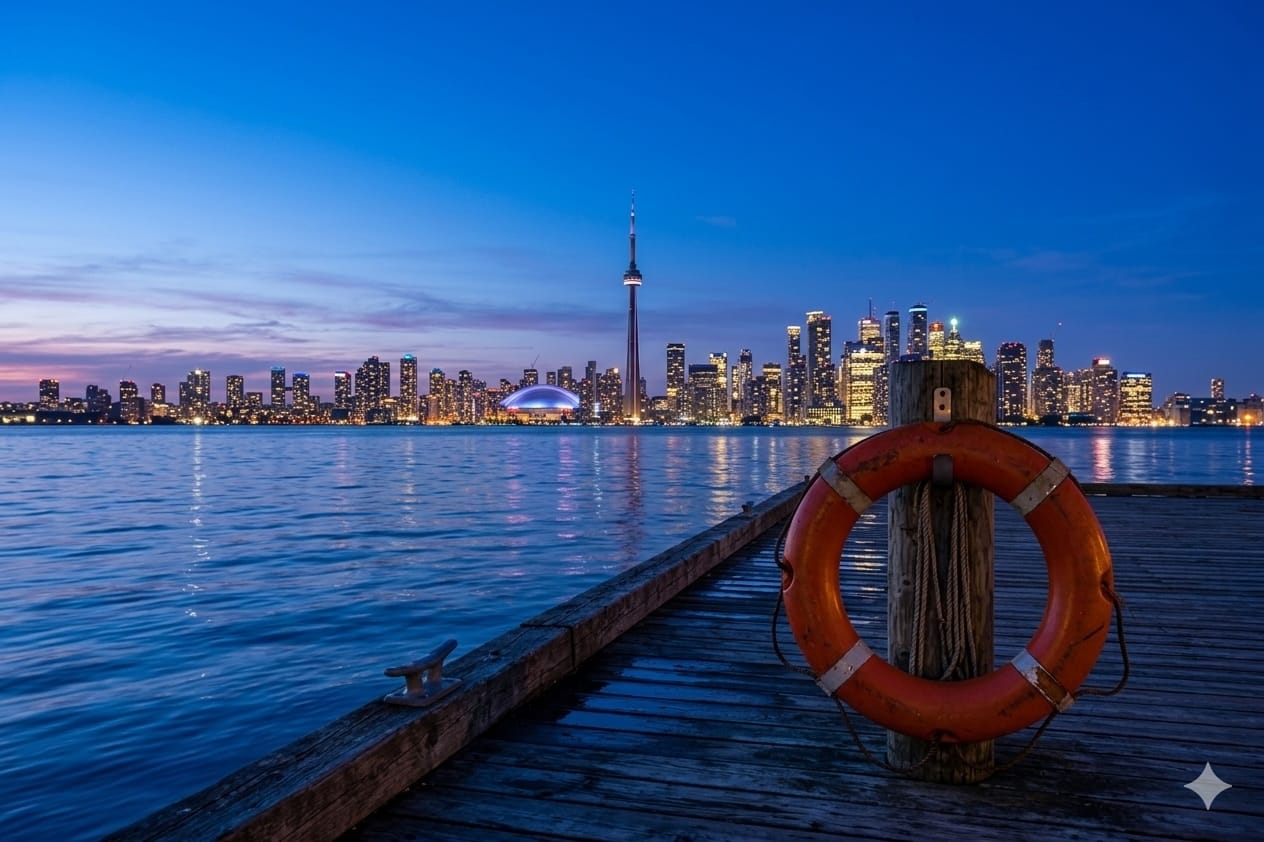
Photographic exploration of Toronto, the 4th most populous city in North America, where the CN Tower dominates a skyline of 106 skyscrapers reflected in Lake Ontario, from the Victorian Distillery District to ferry-accessible islands and the spectacular Scarborough Bluffs.
Toronto is a city of infinite photographic facets. Named 'tkaronto' — 'where trees stand in water' in the Mohawk language — this metropolis of 3 million is the 4th most populous city in North America. Dominated by the iconic CN Tower (553m, the tallest free-standing structure in the Western Hemisphere since 1975), Ontario's capital skyline cuts spectacularly against Lake Ontario. This project aims to capture the city's architectural diversity: from the glass towers of the Financial District — 106 skyscrapers exceeding 150m — to the Distillery District, which houses the largest and best-preserved collection of Victorian industrial architecture in North America. Beyond downtown, the Scarborough Bluffs rise dramatically 90 metres above the lake along 15 kilometres of shoreline. Toronto Islands, a former peninsula severed from the mainland by a storm in 1858 and formed from sediments eroded by the Scarborough Bluffs, offer the ideal vantage point to capture the complete skyline panorama at sunset, while blue hour transforms the towers' reflections in the harbour waters into a breathtaking photographic spectacle.
Access
Toronto Pearson International Airport (YYZ) 30km from downtown, UP Express link (25 min). Efficient TTC subway network for urban travel. Toronto Islands ferry from Jack Layton Terminal (15 min crossing, frequent departures). Pedestrian-friendly downtown core. Bike Share Toronto for the Waterfront Trail. For Scarborough Bluffs: GO Train Lakeshore East line to Scarborough Station, then taxi/Uber to Bluffer's Park. Paid parking downtown (CA$30-40/day), public transit strongly recommended.
Location
Lieux
Points de vue
Chargement de la carte...
Photography Viewpoints
Toronto Islands - Skyline View
EasySunset
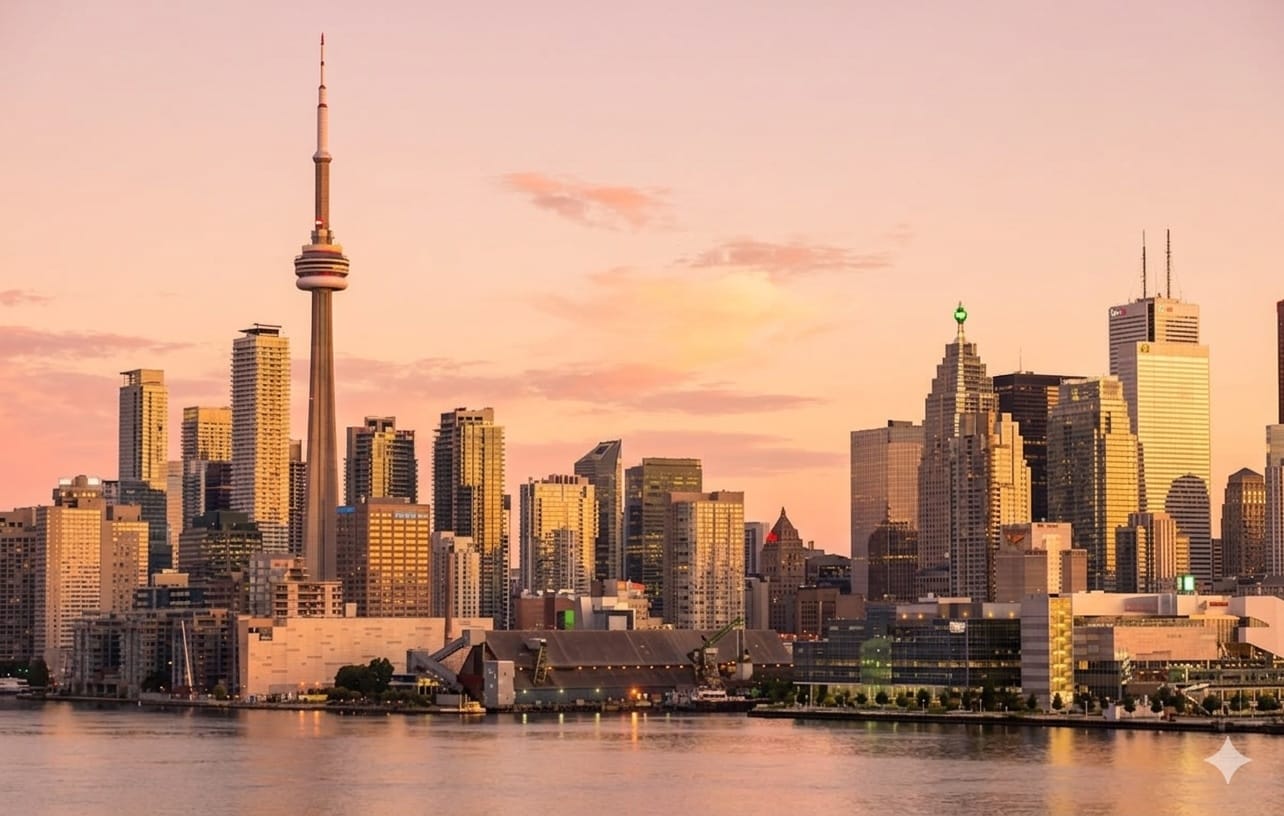
Toronto Islands, the iconic viewpoint offering the most celebrated panorama of Toronto's skyline. These islands, once a peninsula violently severed from the mainland by a storm in 1858 and formed from sediments eroded off the Scarborough Bluffs, are accessible only by ferry. Unobstructed view of the CN Tower (553m), Financial District towers and Rogers Centre from Ward's Island or Centre Island. Spectacular sunset with the skyline in silhouette and golden reflections on Lake Ontario. Ferry from Jack Layton Terminal (15 min, frequent departures). Arrive 2 hours before sunset to scout the best compositions. Tripod essential for blue hour.
📍 43.62050, -79.37820
CN Tower - LookOut Level
EasyGolden Hour
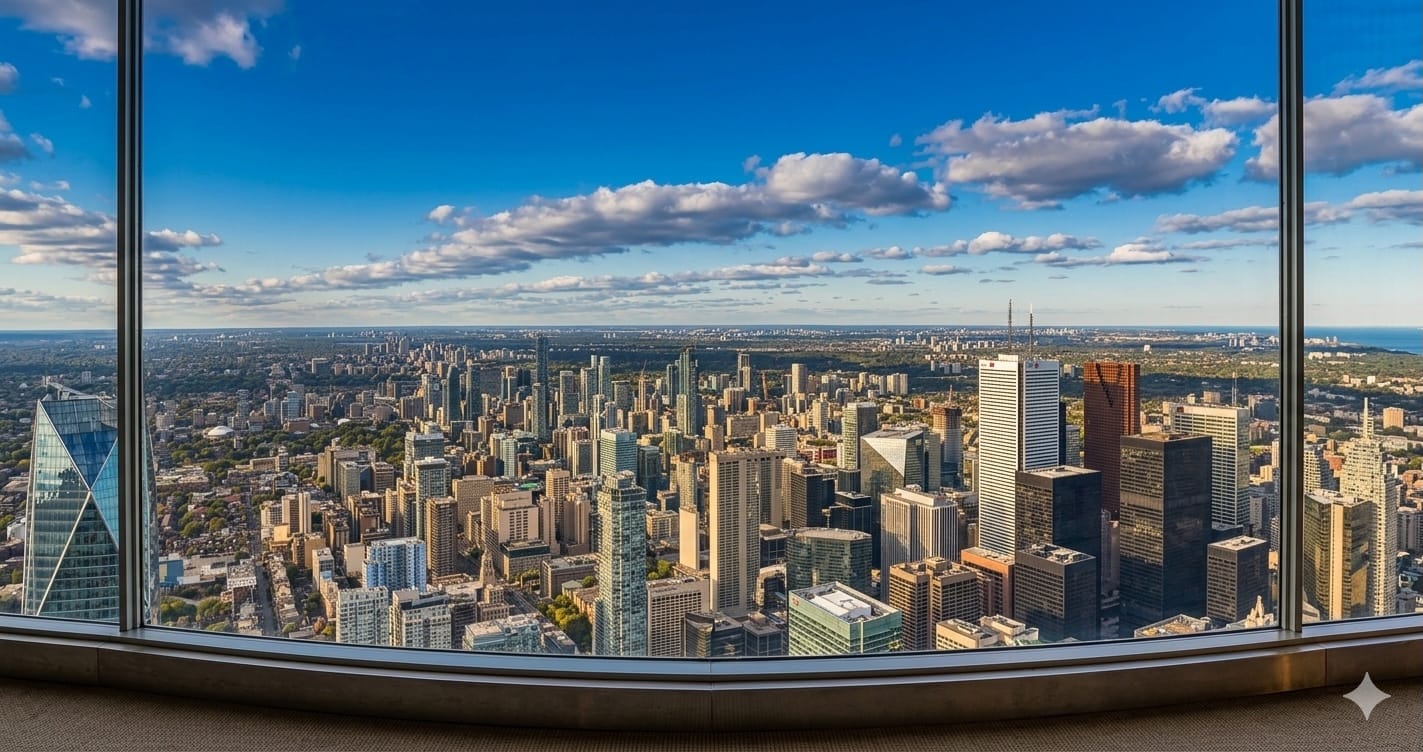
CN Tower LookOut Level (346m), a 360° aerial view over the city and lake. Built between 1973 and 1976, this 553m tower was the world's tallest free-standing structure for 32 years until 2007. Unique bird's-eye perspective over the urban grid, Toronto Islands and the vast expanse of Lake Ontario. Evening golden hour for spectacular shadow play between towers. Online booking recommended to avoid queues. Angled windows: use a lens hood or press the lens against the glass. Glass Floor Level for vertiginous downward perspectives. For thrill-seekers: the EdgeWalk at 356m offers unparalleled outdoor shooting above the city.
📍 43.64260, -79.38710
Polson Pier
EasyBlue Hour
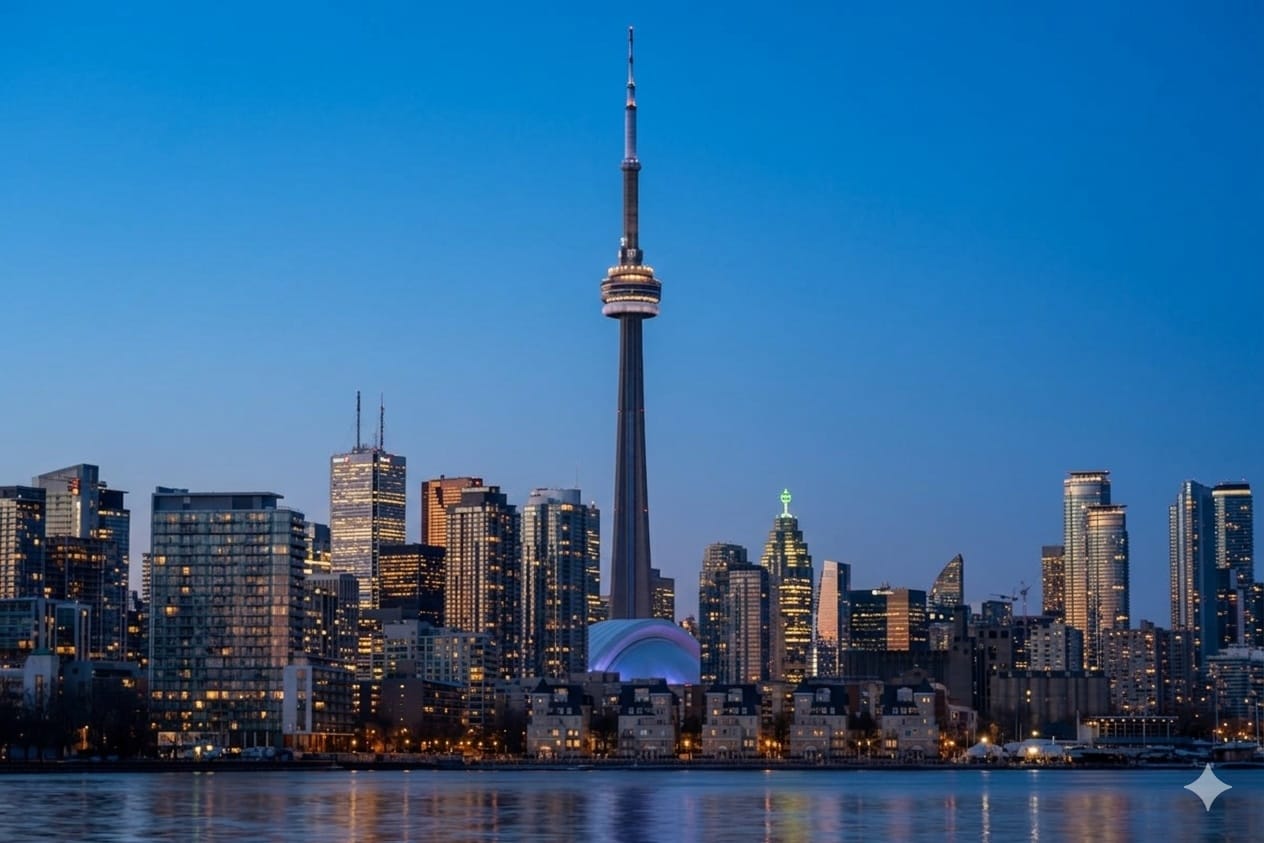
Polson Pier, a lesser-known spot offering a complete lateral view of Toronto's skyline. Exceptional blue hour with skyscraper lights reflecting in the inner harbour's calm waters. Compositions possible with illuminated ferries crossing the foreground. Free access, rarely crowded by tourists, ideal for tripod long exposures. 20km east as a bonus: the Scarborough Bluffs, spectacular 90m-high cliffs named by Elizabeth Simcoe in 1793, stretch 15km along the lakeshore. Bluffer's Park offers a unique perspective from the beach with the escarpment as backdrop. Raking morning light ideal for revealing geological textures and strata.
📍 43.63900, -79.35600
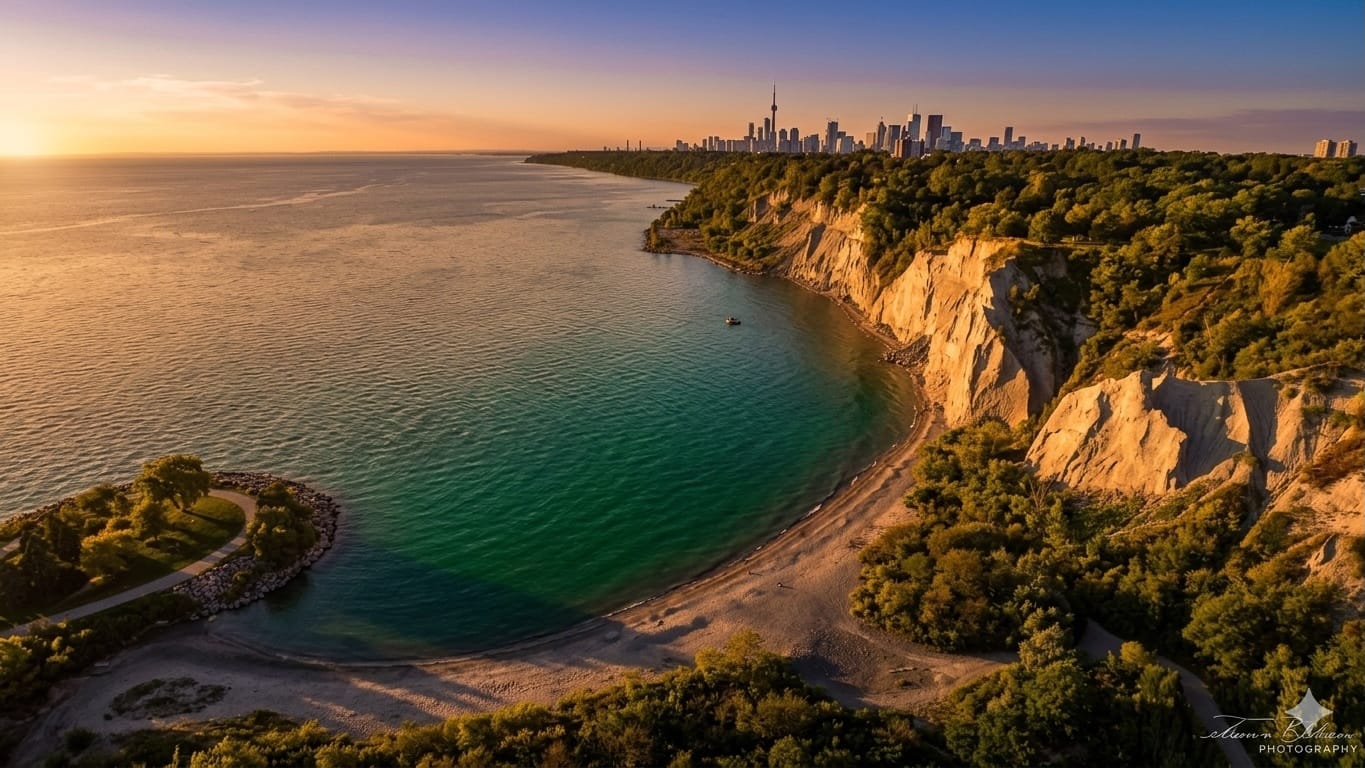
Scarborough Bluffs - Bluffer's Park
MediumMorning
Scarborough Bluffs, spectacular white limestone and golden clay cliffs rising 90 metres above Lake Ontario along 15 kilometres of dramatic shoreline. Named by Elizabeth Simcoe in 1793 after the cliffs of Scarborough, England, these geological escarpments reveal sedimentary strata deposited over 70,000 years ago by glacial Lake Iroquois — the ancient ancestor of Lake Ontario. Bluffer's Park, the only one of 9 parks offering direct beach access, is the best viewpoint from the base of the cliffs. Raking morning light casts dramatic shadows revealing the geological textures and strata. Access: GO Train Lakeshore East to Scarborough Station, then Uber/taxi to Bluffer's Park (approx. 10 min).
📍 43.70830, -79.23360
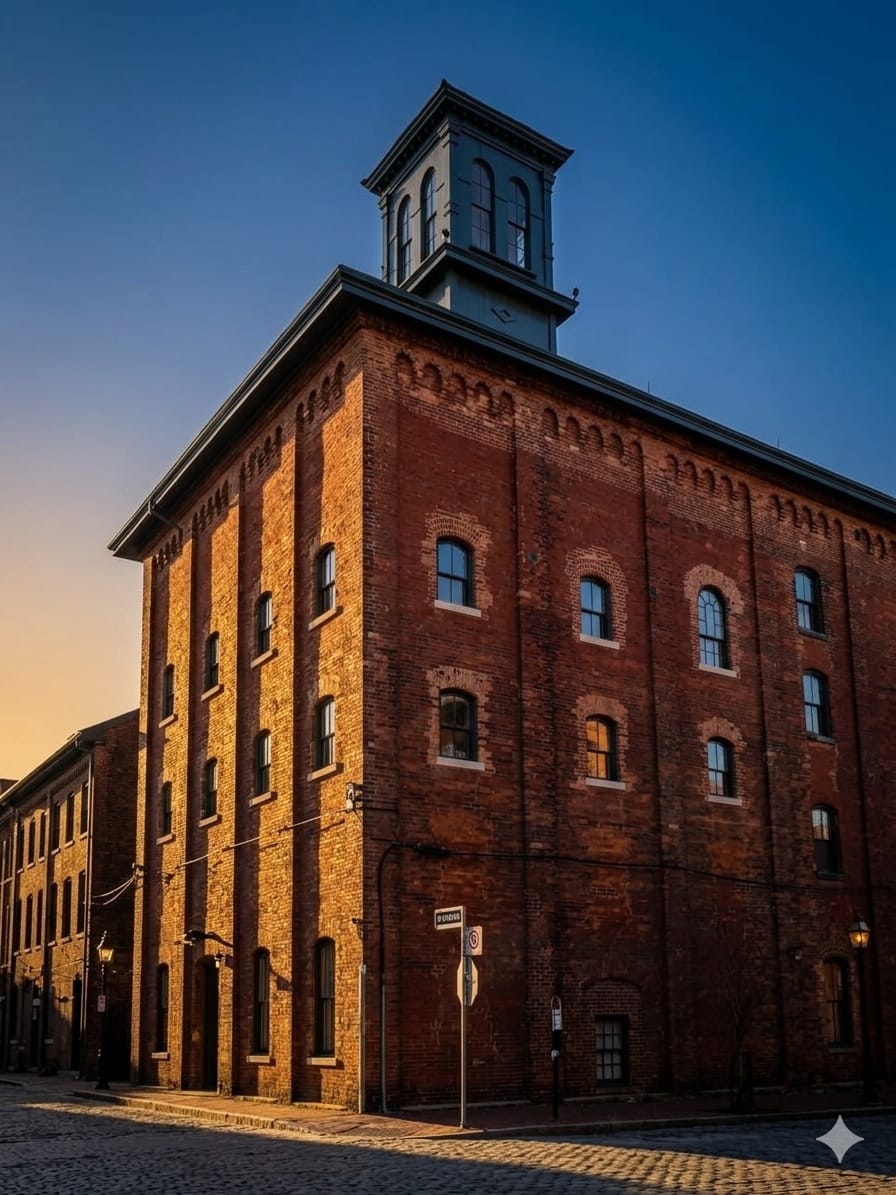
Distillery District
EasyGolden Hour
Distillery District, a historic neighbourhood of red-brick cobblestone streets housing the largest and best-preserved collection of Victorian industrial architecture in North America. The former Gooderham & Worts distillery buildings (19th century), with their weathered red bricks, chimneys and skylights, glow warm amber in the golden hour. A completely car-free, pedestrian-only district. Ideal for architectural compositions blending industrial heritage, public art and contemporary murals. Early morning for an intimate atmosphere, or golden hour for warm amber tones on the bricks. A 10-minute walk from Lake Shore Boulevard to combine Victorian architecture with lake views.
📍 43.65030, -79.35960
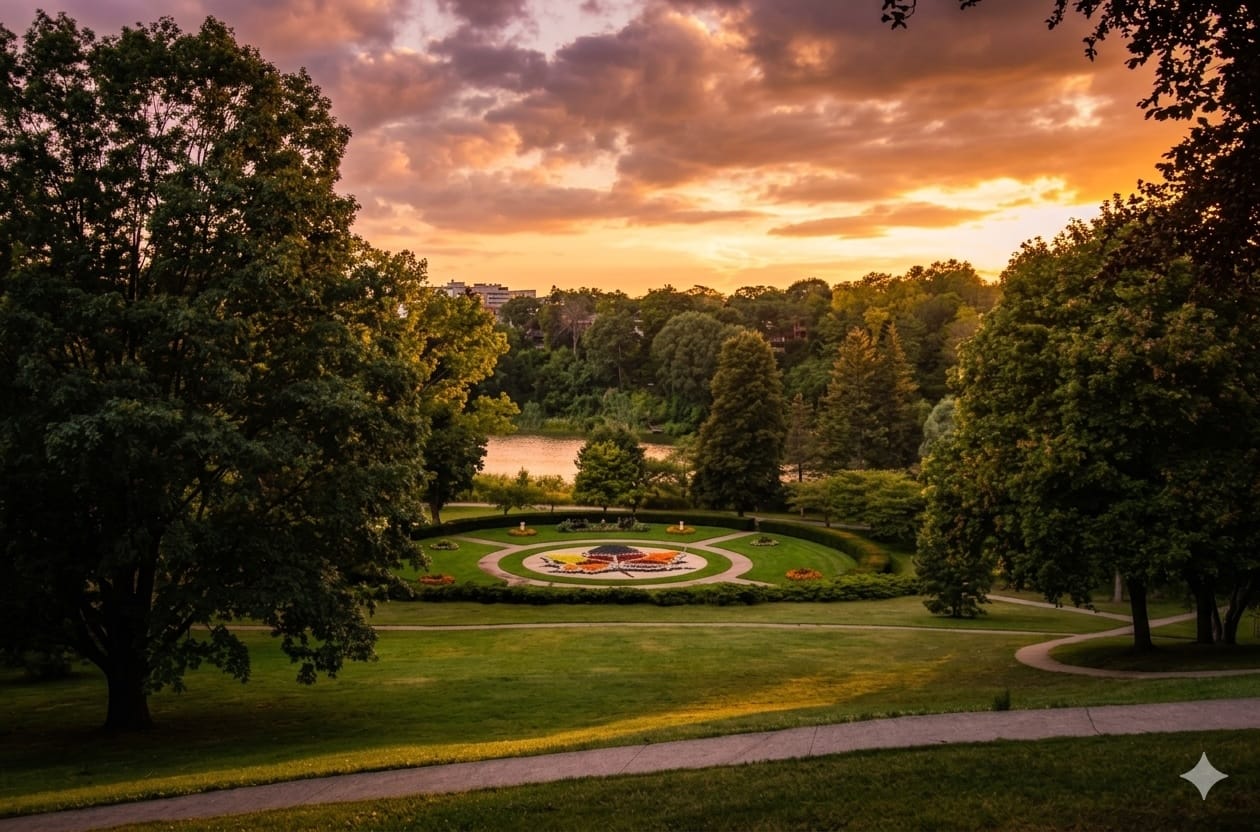
High Park - Grenadier Pond
EasySunrise
Grenadier Pond, nestled within the 161 hectares of High Park, offers one of the city's finest natural mirrors. Herons, ducks and swans populate this urban lake whose shores come alive with some of Canada's most beautiful cherry blossom trees (sakura) in April-May — among the largest displays outside Japan. Sunrise for perfect reflections in the still water with lush vegetation as backdrop. Early October for the flamboyant autumn colours of red maple trees mirrored in the pond. Tripod recommended for golden hour. Easy access by subway (High Park station on the Bloor-Danforth line).
📍 43.64760, -79.46470
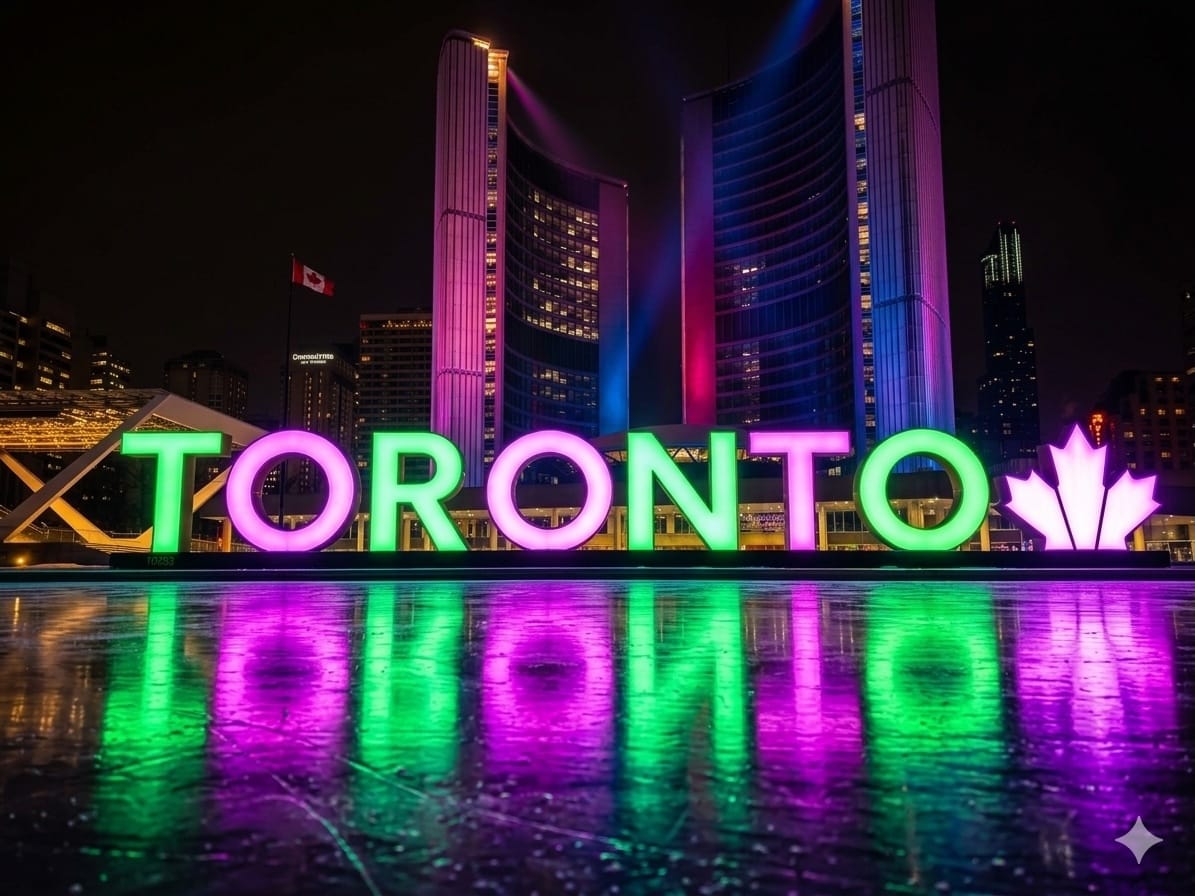
Nathan Phillips Square
EasyBlue Hour
Nathan Phillips Square, the iconic forecourt of Toronto City Hall designed by Finnish architect Viljo Revell in 1965, offers one of the city's most striking compositions. The illuminated 'TORONTO' sign reflects in the central reflecting pool during warm months. Blue hour captures the glowing curved twin towers framing the square with reflections in the basin. Compose with the Toronto Sign in the foreground and Financial District towers behind. In winter, the pool transforms into a bustling ice rink with a festive atmosphere. Easily accessible on foot from the heart of downtown.
📍 43.65250, -79.38340
Best season
Best period: May-October (long days, mild weather). September-October ideal for autumn foliage in parks (High Park, Don Valley). Avoid December-February (extreme cold, frequent -15°C, CN Tower ice closure risk). Sunrise from the east at Polson Pier for raking light on the skyline. Spectacular sunset from Toronto Islands. Exceptional blue hour with tower lights reflected in the lake. Early morning for a deserted Distillery District. Raking morning light ideal at Scarborough Bluffs to reveal geological textures.
Recommended equipment
Camera + wide-angle (16-35mm) essential for skyline and architecture, standard zoom (24-70mm) for street photography and urban details, telephoto (70-200mm) for compressed skyline views from the islands. Sturdy tripod essential for blue hour and long exposures by the lake. ND filter for daytime long exposures (smooth harbour water). Polarising filter to reduce reflections on glass facades. Spare batteries (cold in shoulder seasons). Waterproof backpack (changeable weather near the lake). Lens hood for CN Tower angled windows.
Tags
canadatorontourbainskylinearchitecture
Follow the Adventure
While waiting for these new projects, discover my current collection of photographs available for sale.
Discover the Gallery