Colorado Provençal: The Ochre Lands of Rustrel
Hidden in the Vaucluse, the Colorado Provençal of Rustrel unveils a landscape of blazing ochres unique in Europe: fairy chimneys, vermillion canyons and golden light in the heart of Provence.

Hidden in the Vaucluse, the Colorado Provençal of Rustrel unveils a landscape of blazing ochres unique in Europe: fairy chimneys, vermillion canyons and golden light in the heart of Provence.
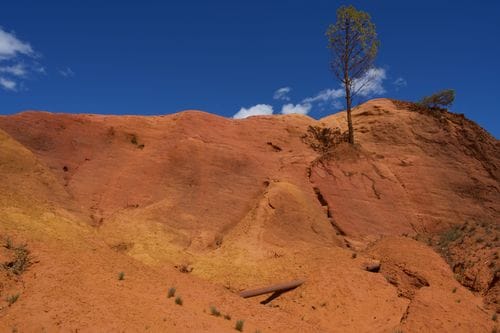
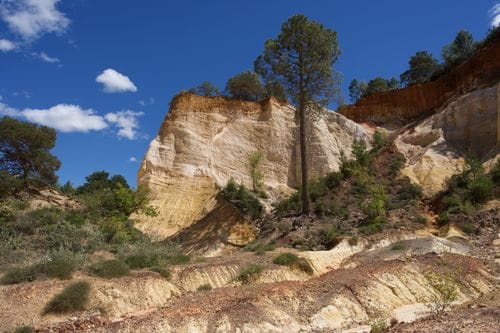
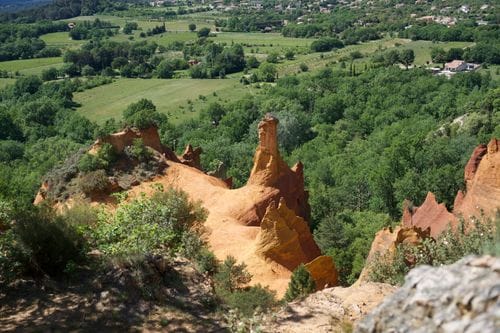
A few kilometers from Apt in the Vaucluse, one of Provence's most extraordinary landscapes lies hidden: the Colorado Provençal of Rustrel. Former ochre quarries worked until the early 20th century, this protected natural site spans more than 30 hectares, revealing a breathtaking chromatic palette — from burnt red to vivid orange, from saffron yellow to pristine white. The geological formations sculpted by centuries of extraction and erosion have carved a fantastical scenery of cliffs, fairy chimneys and miniature canyons, ringed by umbrella pines and holm oaks. An unparalleled photographic spectacle, especially at golden hour when the ochres seem to ignite.
Chargement de la carte...
The Provençal Sahara : A vast ochre sand expanse encircled by umbrella pines, this area near the circuit entrance offers exceptional luminosity. The raking light of dawn transforms the dunes into a painting of fire. Ideal for compositions with backlit pine trees and ochre sand textures in the foreground.
The Fairy Chimneys : The most spectacular geological formations on the site, these erosion-sculpted ochre columns rise up to 4 meters. Photograph them backlit at sunrise for dramatic silhouettes, or in direct light to reveal the full chromatic richness. Wide angle 16mm recommended to include the sky.
The Baroux Cirque : A natural amphitheater formed by ochre cliffs ranging from cream white to burnt orange. Late morning light (9–11am) strikes the facing walls and reveals spectacular depth. Perfect for layered compositions with multiple planes.
The Dôa River : A modest stream crossing the site creates colorful reflections in its meanders between ochre walls. In summer, rocks emerging from the riverbed allow photographing cliff reflections from inside the canyon. Early morning light mist creates a mysterious atmosphere.
Ridgelines and viewpoints : Several viewpoints overlook the site from the heights. Late afternoon light casts long shadows that emphasize the relief and texture of the rock formations. Tripod essential for long exposures at sunset.
Village café in the heart of Rustrel, serving simple and authentic Provençal cuisine. Shaded terrace perfect for a break after hiking through the ochres.
In Apt (10 min), a local institution specializing in regional products: Cavaillon melons, lavender, candied cherries and Provence cheeses.
In Roussillon (15 min), a panoramic terrace overlooking the ochre village and refined Provençal cuisine. Ideal for lunch between the two major ochre sites of the Luberon.
Since 1920, the reference for candied fruits and Provençal products. The unmissable gourmet stop in Apt, world capital of candied fruit.
The Colorado Provençal sits within a territory rich in natural and cultural discoveries, ideal for a complete photographic day trip:
Two trails cross the site: the Grand Traverse (5.3 km / 2h30) and the Small Circuit (2.7 km / 1h15). The Grand Traverse offers the most varied views and most impressive formations. Hiking shoes required.
15 km away, this hilltop village perched on ochre cliffs is one of France's Most Beautiful Villages. The Ochre Trail (30 min) crosses former quarries offering spectacular Luberon views.
A 40 km driving circuit linking Rustrel, Roussillon, Gargas, Apt and Bonnieux. Each village reveals a different use of ochre in local architecture. Ideal as a full-day photographic exploration.
Capital of the Luberon, Apt hosts a colorful market on Saturday mornings. Candied fruits, lavender, honey and local products in a typically Provençal atmosphere. Just 10 minutes from the Colorado Provençal.
Rustrel's ochre was extracted since the 17th century for pigment production. Industrial exploitation ceased in the 1930s, leaving the spectacular formations visible today.
Museum dedicated to the history and techniques of ochre extraction and processing. Historical collections and dyeing demonstrations. Worth visiting before or after the Colorado Provençal.
The villages of the Luberon (Roussillon, Rustrel, Gargas) have used local ochre to paint their facades for centuries, creating an architectural identity unique in the world.
30 km away, this 12th-century Cistercian abbey nestled in a lavender valley is one of the most photographed sites in Provence. The blooming lavender fields (June–July) compose iconic images.
Paid parking at the site entrance (approx. €5). Open year-round. From Apt: D22 towards Rustrel (10 min drive). Arrive at least 30 minutes before opening in summer to secure a parking spot and catch the first light.
Hiking shoes required (loose and slippery terrain in places). Ochre permanently stains clothing — wear dark or dedicated hiking attire. Hat, sunscreen and water in summer (no shade at midday).
Sunrise (6–8am in summer) for raking light that brings ochre colors to their maximum. Late afternoon (4–7pm) for long shadows and golden light. Absolutely avoid midday: harsh flat light that obliterates the formations' relief.
Polarizing filter to saturate colors and reduce reflections on wet ochre. Wide angle 16–24mm for cliff panoramas, 50–85mm for details and textures. Protect your lens from fine ochre dust.
Spring (April–May) and autumn (September–October): soft light, green vegetation contrasting with ochres, reasonable crowds. Summer: more saturated colors but very heavy attendance. Winter: wet ochre after rain develops even more intense hues; site nearly deserted.
The Colorado Provençal of Rustrel belongs to that rare category of places that defy all description. You have to be there at dawn, with the first light raking across the cliffs of fire, to understand why photographers keep coming back. Each season, each hour of the day radically transforms the atmosphere of the site. Less than two hours from Avignon or Aix-en-Provence, it is a landscape out of time that owes nothing to the American landscapes whose name it bears.
Discover our limited edition fine art prints from this location

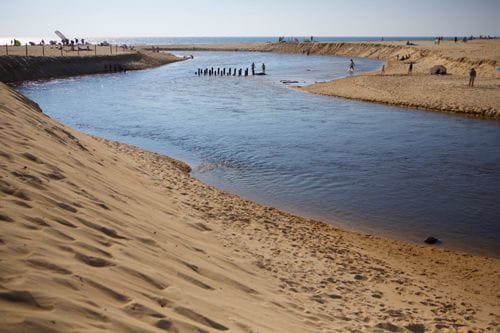
A unique ecosystem where freshwater meets the ocean in a preserved natural reserve.
Read
Turquoise coves, perched villages, fragrant maquis: Corsica offers exceptional landscape diversity for photography.
Read
A unique peninsula surrounded by translucent waters and golden light at the end of the day.
Read